Delft Blauw Pottery
by Admin
Posted on 08-03-2025 09:05 AM

History of Delft Blauw Pottery
The history of Delft Blauw pottery dates back to the 17th century, when the Netherlands was a major hub of trade and commerce. The city of Delft, with its strategic location on the Rhine River, was an ideal place for the production and export of ceramics. The first Delft Blauw pottery was produced in the 1640s, and it quickly gained popularity due to its unique and beautiful glaze. The glaze was made from a combination of cobalt oxide and tin oxide, which gave it a distinctive blue color. The pottery was decorated with intricate designs and patterns, often featuring Chinese and Japanese motifs.
The production of Delft Blauw pottery reached its peak in the 18th century, with many factories and workshops operating in Delft and other parts of the Netherlands. The pottery was exported to countries all over the world, including England, France, and the American colonies. The popularity of Delft Blauw pottery was due in part to its durability and versatility, as well as its beautiful and distinctive glaze.
Characteristics of Delft Blauw Pottery
Delft Blauw pottery is characterized by its distinctive blue and white glaze, which is made from a combination of cobalt oxide and tin oxide. The glaze is applied to the pottery using a technique called "underglaze," where the design is painted onto the pottery before it is glazed. This technique allows for intricate and detailed designs, which are often featured on Delft Blauw pottery. The pottery itself is made from a type of clay called "earthenware," which is fired at a relatively low temperature to produce a hard and durable finish.
Types of Delft Blauw Pottery
There are several types of Delft Blauw pottery, including plates, bowls, vases, and figurines. Each type of pottery has its own unique characteristics and features, and they are often decorated with different designs and patterns. Some of the most common types of Delft Blauw pottery include:
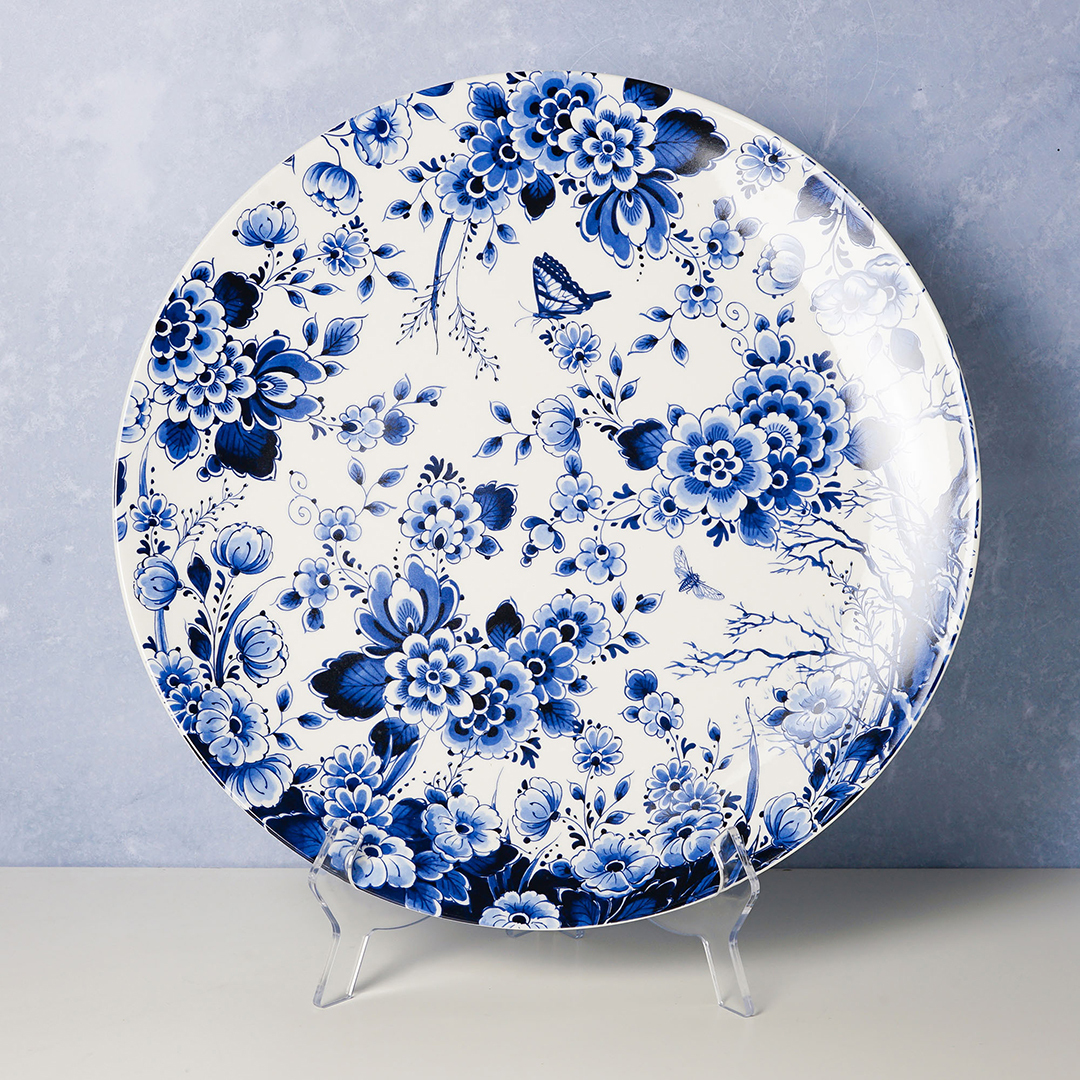
You haven't provided the anchor text and URL yet. Please provide them so I can assist you in adding the anchor link to the given content. I will add the anchor link naturally within the paragraph while keeping the content structure intact.
Cultural Significance of Delft Blauw Pottery
Delft Blauw pottery has a significant cultural impact on the world of ceramics, and it has been influential in the development of many other types of pottery. The distinctive blue and white glaze of Delft Blauw pottery has made it a popular and iconic form of ceramic art, and it is highly prized by collectors and enthusiasts. The pottery is also an important part of Dutch cultural heritage, and it is often featured in museums and exhibitions around the world.
Influence on Other Types of Pottery
Delft Blauw pottery has been influential in the development of many other types of pottery, including English delftware and American colonial pottery. The distinctive blue and white glaze of Delft Blauw pottery has been copied and adapted by many other potters, and it has become a popular and iconic form of ceramic art. The pottery has also been influential in the development of many other types of decorative arts, including textiles and wallpaper.
Collecting Delft Blauw Pottery
Collecting Delft Blauw pottery can be a rewarding and challenging hobby, as there are many different types and styles of pottery to choose from. The value of Delft Blauw pottery can vary greatly, depending on the age, condition, and rarity of the piece. Some of the most valuable pieces of Delft Blauw pottery are those that are rare or unique, or those that are in excellent condition.
Tips for Collecting Delft Blauw Pottery
There are several tips for collecting Delft Blauw pottery, including:
Conclusion
Delft Blauw pottery is a unique and beautiful form of ceramic art that has a rich and complex history. The distinctive blue and white glaze of Delft Blauw pottery has made it a popular and iconic form of decorative art, and it is highly prized by collectors and enthusiasts. The production process of Delft Blauw pottery involves several stages, including the preparation of the clay, the shaping of the pottery, the application of the glaze, and the firing of the pottery. Whether you are a collector, an enthusiast, or simply someone who appreciates the beauty of ceramics, Delft Blauw pottery is definitely worth exploring.
FAQs
What is Delft Blauw pottery?
Delft Blauw pottery is a type of pottery that originated in the Netherlands, specifically in the city of Delft, in the 17th century. It is characterized by its distinctive blue and white glaze, which is made from a combination of cobalt oxide and tin oxide.
How is Delft Blauw pottery made?
Delft Blauw pottery is made using a combination of traditional techniques, including throwing on a potter's wheel and hand-building. The clay is mixed with water and other ingredients to produce a workable consistency, and then shaped into the desired form. The glaze is applied using a technique called "underglaze," where the design is painted onto the pottery before it is glazed.
What is the cultural significance of Delft Blauw pottery?
Delft Blauw pottery has a significant cultural impact on the world of ceramics, and it has been influential in the development of many other types of pottery. The distinctive blue and white glaze of Delft Blauw pottery has made it a popular and iconic form of ceramic art, and it is highly prized by collectors and enthusiasts.
How can I collect Delft Blauw pottery?
Collecting Delft Blauw pottery can be a rewarding and challenging hobby, as there are many different types and styles of pottery to choose from. It is essential to research the different types and styles of Delft Blauw pottery before starting a collection, and to consider factors such as condition, provenance, and rarity when evaluating the value of a piece.
What is the value of Delft Blauw pottery?
The value of Delft Blauw pottery can vary greatly, depending on the age, condition, and rarity of the piece. Some of the most valuable pieces of Delft Blauw pottery are those that are rare or unique, or those that are in excellent condition.
The Clog Barn Tourist Attraction & Caravan Park
215 Pacific Hwy, Coffs Harbour NSW 2450
(02) 6652 4633